
'No Head, No Backstage Pass'
Rock musicians molting into rock stars in the '70s require putting some distance between star and supplicant. But how? Enter the backstage pass.

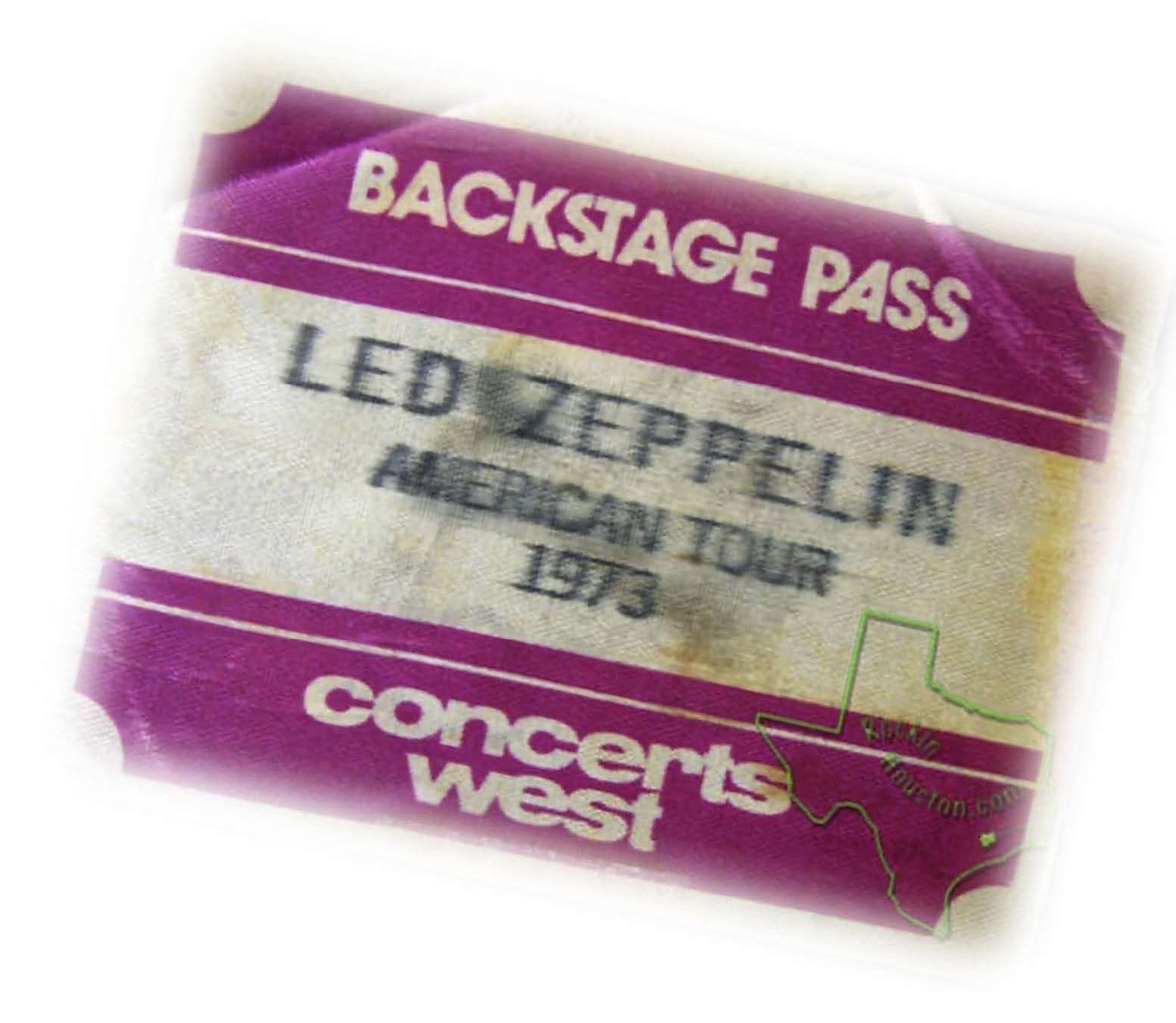
From Starship to limo to hotel suite, when you’re a 1970s rock star, all the world’s your personal backstage. Which, as day follows night, gives rise to the backstage pass, ending whatever pretext of comity still exists between audience and performer as the ‘60s descend into the ‘70s.
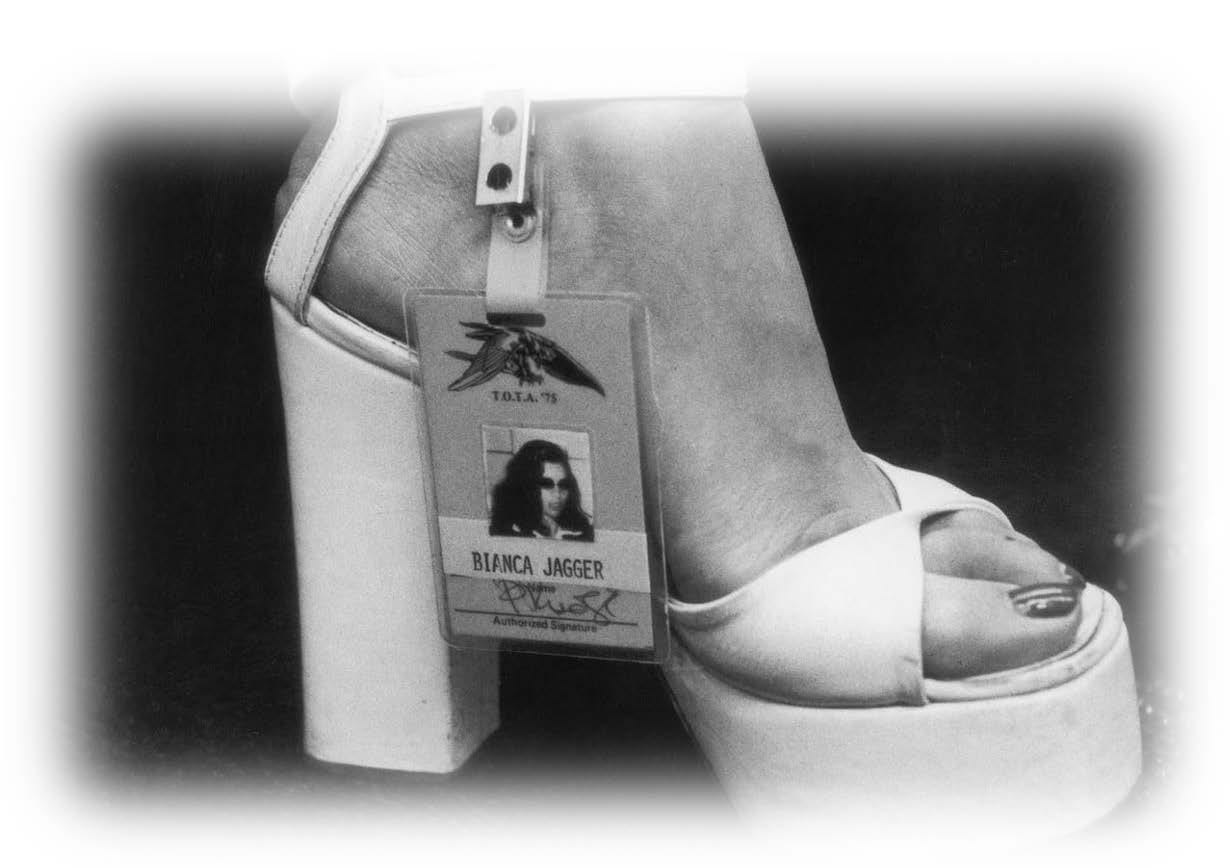
“In the sixties it was like you were all one big family, there was no crowd control or security guards at the side entrances,” Dave Otto, a Cincinnati entrepreneur, told me in What You Want Is in the Limo.
As rock moved into arenas in the early seventies and nightly grosses climbed into high five figures, the rock concert’s communal vibe went out the window, replaced by an unsentimental, profit-driven mindset. So-called festival seating, designed to extract the maximum gross from a venue by selling what amounted to standing room on a concrete arena floor, created barely controllable pandemonium and pileups of fans at the front-of-stage and wings, where interlopers of indeterminate motive could conceivably slip into the backstage inner sanctum, where black Cadillac limos that delivered the “recording artists” were parked, noses pointed out, chauffeurs at the ready, to whisk the boys in the band back to the hotel or aircraft and the next gig.