
The L.A. Queens
The demographics that bring rock its vast audience in the 70s deliver a new generation of L.A. groupies who bivouac at the Riot House and Rainbow Bar & Grill. Their objective: the men of Led Zeppelin.

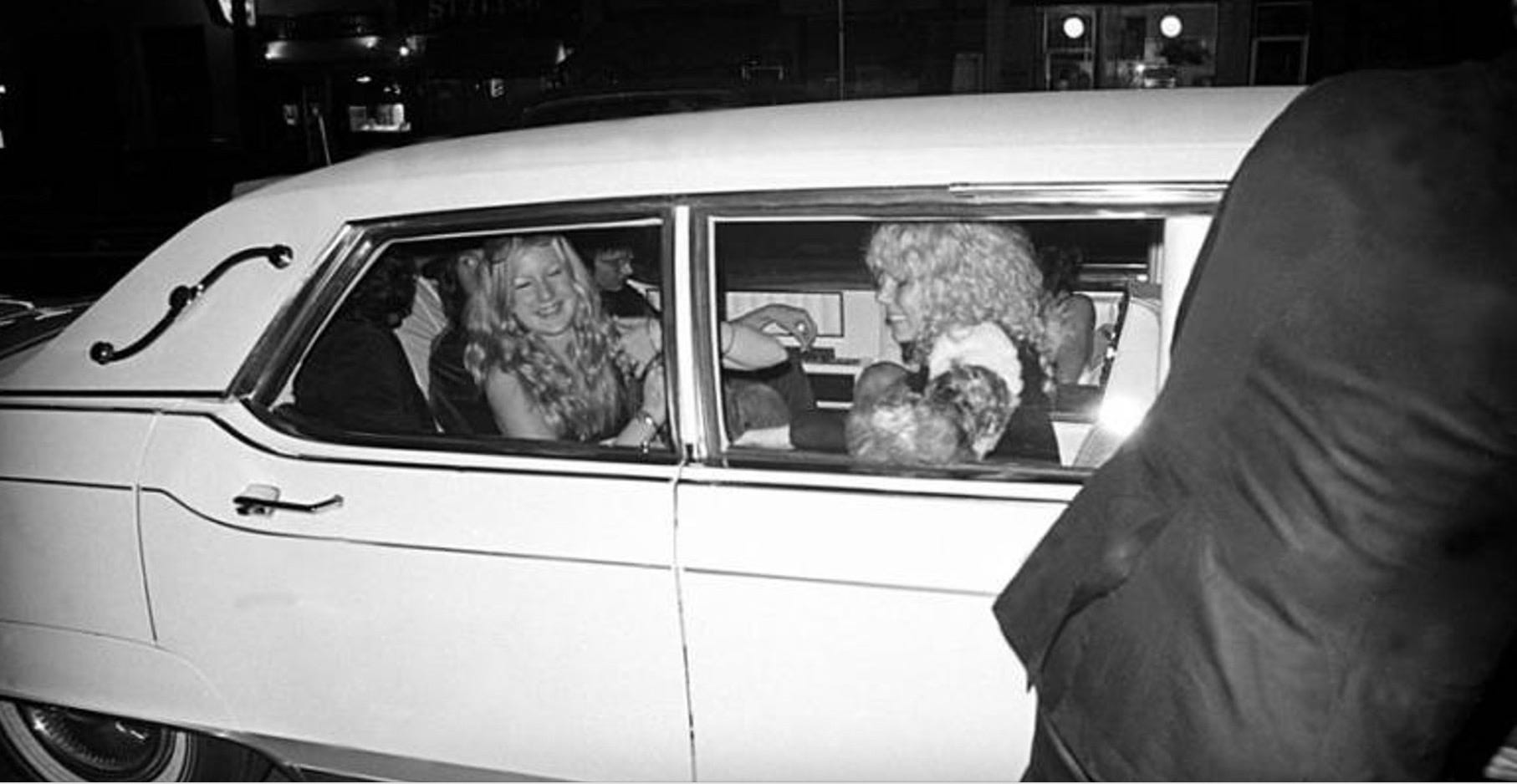
When Morgana Welch’s mother entertained at their house in the flats of Beverly Hills in the early 1970s, she would serve her daughaer a cocktail before the guests arrived. “She used to encourage me to have a drink when I was like sixteen, seventeen,” Morgana told me. “My mother always thought I was better if I had a drink: otherwise, I’d just sit there pissed off.” Morgana’s mother and father no longer lived together, a circumstance hardly unique among her classmates at Beverly Hills High. Nor were her poker-straight honey blond hair and doe-eyed beauty, the genetic munificence bestowed by her fashion-model parents who pressed their daughter into the business as a preschooler. She posed for magazines, worked the runway at fashion shows, and shot a Toyota commercial before her agency dropped her when adolescence nudged her out of the adorable-child category.
There were hundreds of teenage girls like Morgana fidgeting around L.A. and Beverly Hills in the early ‘70s; white, stunningly attractive, overprivileged, and undersupervised, they shrewdly exploited the social chaos kicked up by the sexual revolution and budding drug and rock-and-roll cultures while their parents were otherwise preoccupied, as often as not with their own lifestyle fandangos. They lost their virginity between Bill Blass sheets on weekday afternoons in silent, over-air-conditioned fax-Mediterranean manses, smoked Hawaiian primo from gurgling four-foot-long bamboo bongs, chugged tanniny Châteauneuf-du-Pape liberated from their parents’ wine cellars, and generally comported themselves in the fashion of rich kids since time immemorial—the crucial difference being that they considered themselves confederates in the drug, rock-and-roll, and antiwar countercultures, which colored their teenage alienation with class consciousness. “My mother was into the whole Beverly Hills scene,” Morgana told me, “and I was very anti-Beverly Hills.”
In short, the “L.A. queens,” as Robert Plant would soon immortalize them after Led Zeppelin’s first voyages to Los Angeles, were Southern California’s answer to the debutante Mick Jagger eviscerated in “19th Nervous Breakdown”—”your mother who neglected you owes a million dollars tax”—blithely decadent but still too young to drive the family Benz. “I didn’t really have a strict upbringing,” Morgana recalled. “My mother was single. She was dating very rich men. She was in the quote-unquote jet set and flying off here and there, so I was pretry much left alone.”
Morgana’s generation had been born five years too late to participate in the first wave of rock-and-roll madness that swept Hollywood and the Sunset Strip in the mid-1960s. Having watched from the sidelines as their older brothers and sisters—and frequently enough, their parents—grew their hair, fired up joints and slept with whomever they pleased, they longed for their own salad days to arrive and so decided, in effect, not to wait. In this endeavor they were, ironically, abetted by their befuddled elders. Beverly Hills High engaged, at market rates, Traffic, Three Dog Night, and other top-billing bands of the day to play for the student population in the school gymmasium, sort of million-dollar sock hops. Then there was the Teenage Fair, an annual battle of the bands held in the Holly.wood Palladium parking lot, where ninety or more groups would play over the course of a week. An important staging ground for L.A. rock in the ‘60s, the Teenage Fair had by 1969 gentrified with contempo flourish into the Pop Expo and showcased the likes of Jimi Hendrix. And it was there that Morgana, like so many other bored, beautiful teenage girls from Beverly Hills and beyond, got her first whiff of the rock-and roll pheromone.
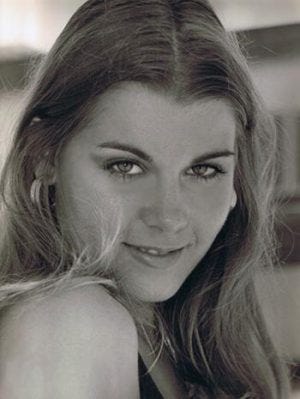
“That was the place our appetites got whetted. I think Three Dog Night was one of the first bands we ever came in contact with at the Teenage Fair, and one of them went off with my girlfriend. So it was a place where young girls could get their look at rock stars and rock stars could get their look at young girls. That was my initiation into the potential for being a groupie, that it was a viable path.”
“It was a place where young girls could get their look at rock stars and rock stars could get their look at young girls. That was my initiation into the potential for being a groupie, that it was a viable path.”
Before long—in fact, before she was seventeen—Morgana and a shifting band of feral young women had abandoned their sullen teenage lives in Beverly Hills and Brentwood and become ladies in waiting to the rock-and-roll scene on the Strip. Their timing at first seemed inauspicious. By 1971, L.A.s rock-and-roll arcadia was in decline. The Byrds were sputtering and Buffalo Springfield was gone, as were the the Doors, silenced after Jim Morrison, fat, alcoholic and given to Mansonesque beards, expired in a Paris bathtub while his long-suffering girlfriend, Pamela Courson, slumbered in the adjoining chamber. Gone too were honorary L.A. citizens Janis Joplin and Jimi Hendrix, Joplin from a hot dose of heroin injected at Hollywood’s Landmark Hotel hours after she recorded the final vocal for “Buried Alive in the Blues,” Hendrix in a ghastly, banal demise three months earlier, choking to death on his vomit after ingesting one too many sleeping pills following several hard weeks in London.
“I caught the tail end of the Strip, where it was a carnival,the streets were packed, and there were all kinds of things going on,” Morgana told me. “It totally immersed me in another world. It was only blocks away, and it was so vastly different. Then [the police] kicked everybody off, and it moved down to Hollywood Boulevard for a while and that didn’t last. That’s when the Hyatt House started and the Rainbow came along.”
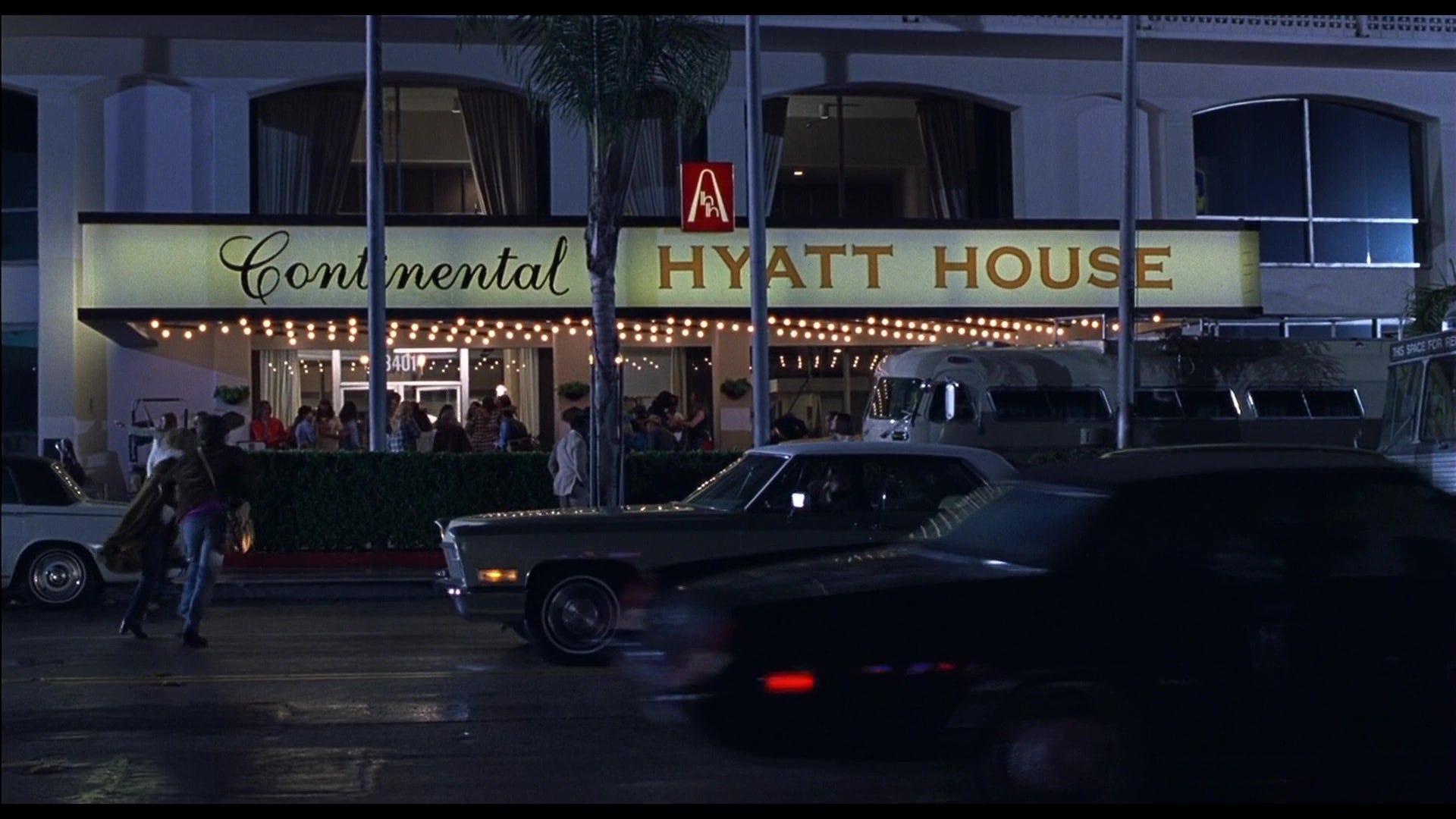
The Continental Hyatt House and the Rainbow Bar and Grill, within blocks of each other on the north side of the Sunset Strip, constituted two stations of the cross of the Strip’s resurrection in the early 1970s. As Sunset was overrun in the ‘60s by longhairs flocking to the Whisky, the Trip, the London Fog, the owners of the Strip’s traditional nightclubs and restaurants—many of them hoary leftovers from the ‘50s like Dean Martin’s Dino’s Lodge—in concert with the Los Angeles County Sheriffs’ Department, launched an uninhibited campaign of harassment on the hippie element suddenly clotting the sidewalks. “People were locking their cars long before there was the dimmest awareness of the Manson element because of the police,” Gail Zappa, wife of Frank Zappa, told me. “I think our phones were tapped; the police followed us everywhere.” One of the reasons freaks traversed the Strip in large groups, she says, “was that there was safety in numbers. You think gay bashing was bad, you should have seen freak bashing.”
Most restaurants on the Strip refused to serve longhairs, and the few that did—notably Ben Frank’s, a coffee shop mobbed nightly after the clubs closed at two—were under permanent surveillance by the sheriffs. “The waitresses were known to call the police in to clear out a table of customers, even if they were only suspected of something as innocuous as being the kind of people who might not leave a proper tip,” Michael Stuart-Ware, drummer in the seminal L.A. band Love, who was summarily escorted out one night, told me. When a bandmate of Stuart-Ware’s politely asked the police why, he was struck with a nightstick and advised, “Keep walking hippie, they don’t want you here.” The unrelenting harassment led many to flee the Strip entirely for Canter’s, a magnificently tacky deli a mile south on Fairfax Avenue, where a thiving after-hours scene continues to this day.
“Being sexual and willing to experiment, there was power in being able to provide fulfillment of fantasies of these men in power that were older than me. Sex was used as a power play. And the more you had, the more you got.”
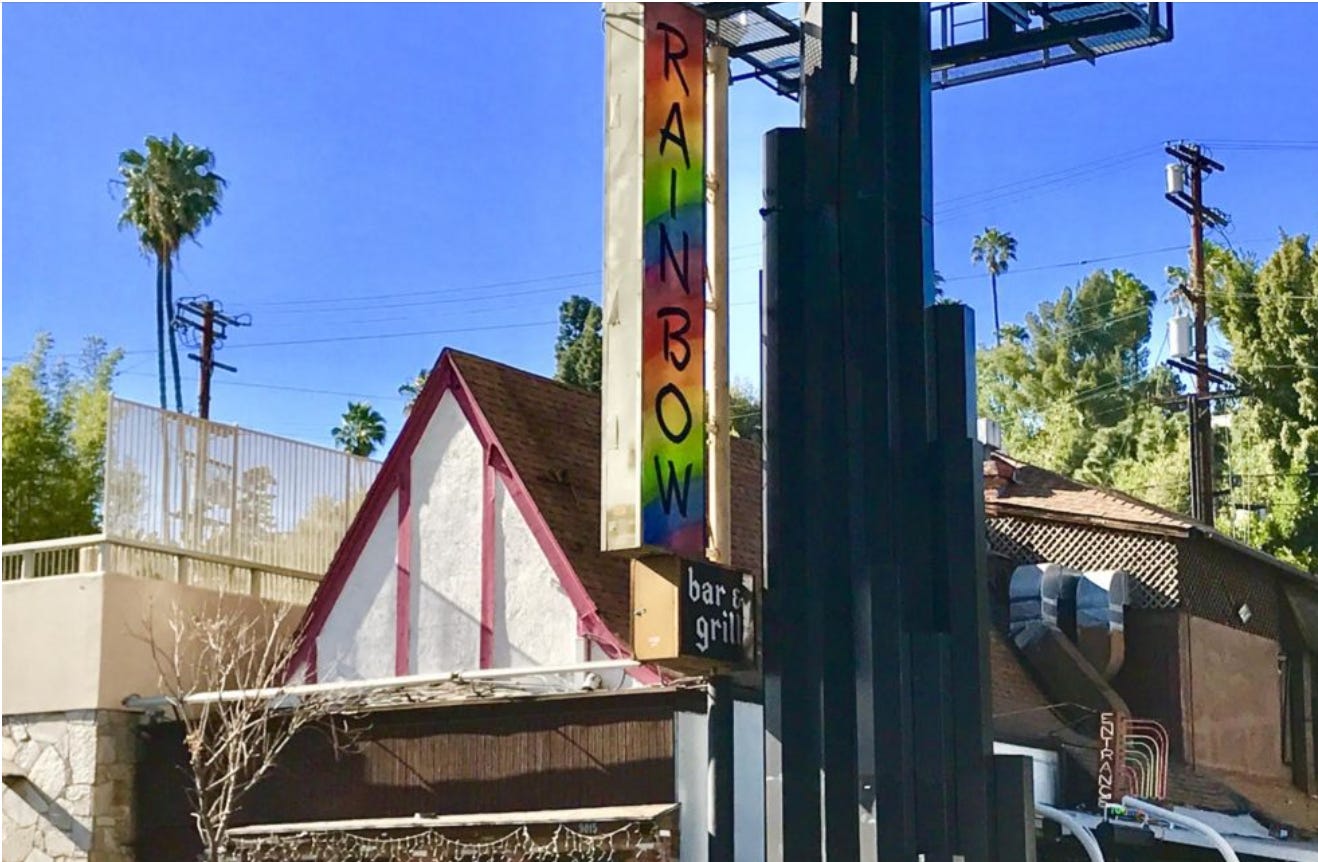
In the midst of this, Elmer Valentine and Mario Maglieri, former Chicago cops turned nightclub impresarios who ran the Whisky, were tapped to open a club where musicians and the emerging rock industry’s freshly minted “executives” could drink and dine in peace. There would be no live music, just a menu of Italian delights, plus a cover charge convertible to two drinks. And so with backers that included the rock press agent Bob Gibson and Ode Records founder Lou Adler, the Rainbow Bar and Grill was launched at 9015 Sunset Boulevard on April 16, 1972, and instantly became the Round Table of L.A.s rock elite, packed nightly with locals and whatever touring bands, especially British, happened to be passing through town. Behind the Rainbow’s ye-olde mock-Tudor facade was a horseshoe-shaped dining room with a fireplace at one end and banquettes upholstered bordello red, supplemented by two bars and a snug upstairs danace floor. The dark, chockablock layout and mysterious twisting staircases gave the place the feel of a pirate’s ship run aground in the middle of the Strip, and rock and rollers took to the atmosphere instinctively.
Meanwhile, several blocks to the east, where Sunset Boulevard bends against the back wall of Laurel Canyon, the Continental Hyatt House was undergoing a shift in clientele that would make it the most famous hotel in a chain better known for catering to weary Willy Lomans. As the post-Beatles rock-and-roll bands from the Strip began touring regularly, they found that hotels that would tolerate their long hair, aggressively slovenly dress, and pitiful per diems were hard to come by even in cities as large as Los Angeles. Thus was born the rock-and-roll hotel: the Gramercy Park in New York, the Ambassador East in Chicago, and, in L.A., the Chateau Marmont, a moldering Norman pile from the 1920s with a long history of unapologetic guest behavior. But by the early ‘70s, the comparatively spry Hyatt, located just around the bend on Sunset, had eclipsed the Chateau as L.A.’s premier rock-and-roll hotel. Opened in 1956 as Gene Autry’s Continental, it was a dreary twelve-story box with pressed-concrete balconies and a rooftop swimming pool, the first high-rise on the Strip. By the time the Rainbow opened, the Hyatt was overrun with touring bands whose excesses—especially those of the irrepressible Led Zeppelin—had earned it the sobriquet “Riot House.”
The Riot House staff were famously indulgent of the many bands that inflicted property damage before the limos arrived the porte cochere for the ride back to LAX. Led Zeppelin, in particular the band’s road manager, Richard Cole, thrived on bombarding pedestrians with water balloons, pitching furniture over the balconies, and encouraging groupies to hurl bottles of Dom at the billboards across Sunset. Cole once had a motorcycle sent up the freight elevator to the eleventh floor, which the band and entourage took over in its entirety, and roared up and down the halls.
“If a cash transaction were taking place, the Hyatt would be labeled a bordello. You meet the guys in the coffee shop, then you go to their rooms and have sex with them. It was very relaxed; the hotel would never kick you out.”
The money pouring in from record sales and increasingly lucrative tours was redefining a caste—the rock star—previously the domain of celestials like the Beatles; now, road dogs like REO Speedwagon, Humble Pie, the J.Geils Band, and Grand Funk were staking their claims. Bob Greene, then a “youth” columnist for the Chicago Sun-Times who traveled with the biggest bands of the ‘70s, later dubbed them “gangs of princes.” Comely young women were always part of the princely contract. The confluence of the sexual revolution and the unprecedented sums being earned by young men barely twenty-five years old fueled a burgeoning sense of entitlement only hinted at from the front of the house, especially when it came to the girls loitering behind the amps with cloth backstage passes pasted provocatively above swelling alter-topped breasts. These new groupies, as often as not barely at of adolescence, were aware of their complicity in the contract and, at least at first, welcomed it. “We loved the decadence,” Morgana told me. “It was kind of a dichotomy because we were in some ways very innocent, and that’s where the whole sex thing came in. Being very sexual and willing to experiment sexually, there was a power in being able to provide fulfillment of fantasies of these men in power that were older than me. Sex was used as a power play. And the more you had, the more you got.”
Morgana’s voyages to the Strip began when she still lived with her mother. “She was horrified. I would leave and not come home for days. And then come back and get grounded and then sneak out and go back to the Strip. There was just no stopping me.” Morgana, dressed in Landlubber jeans belted with a leather whip, could usually be found by night at the Whisky, Rainbow and Rodney’s English Disco, a boite favored British rockers and infamous for its young groupie scene, and at the Riot House by day. “If a cash transaction were taking place, the Hyatt would be labeled a bordello. You meet the guys in the coffee shop and then you go to their rooms and have sex with them. It was very relaxed; the hotel would never kick you out.”
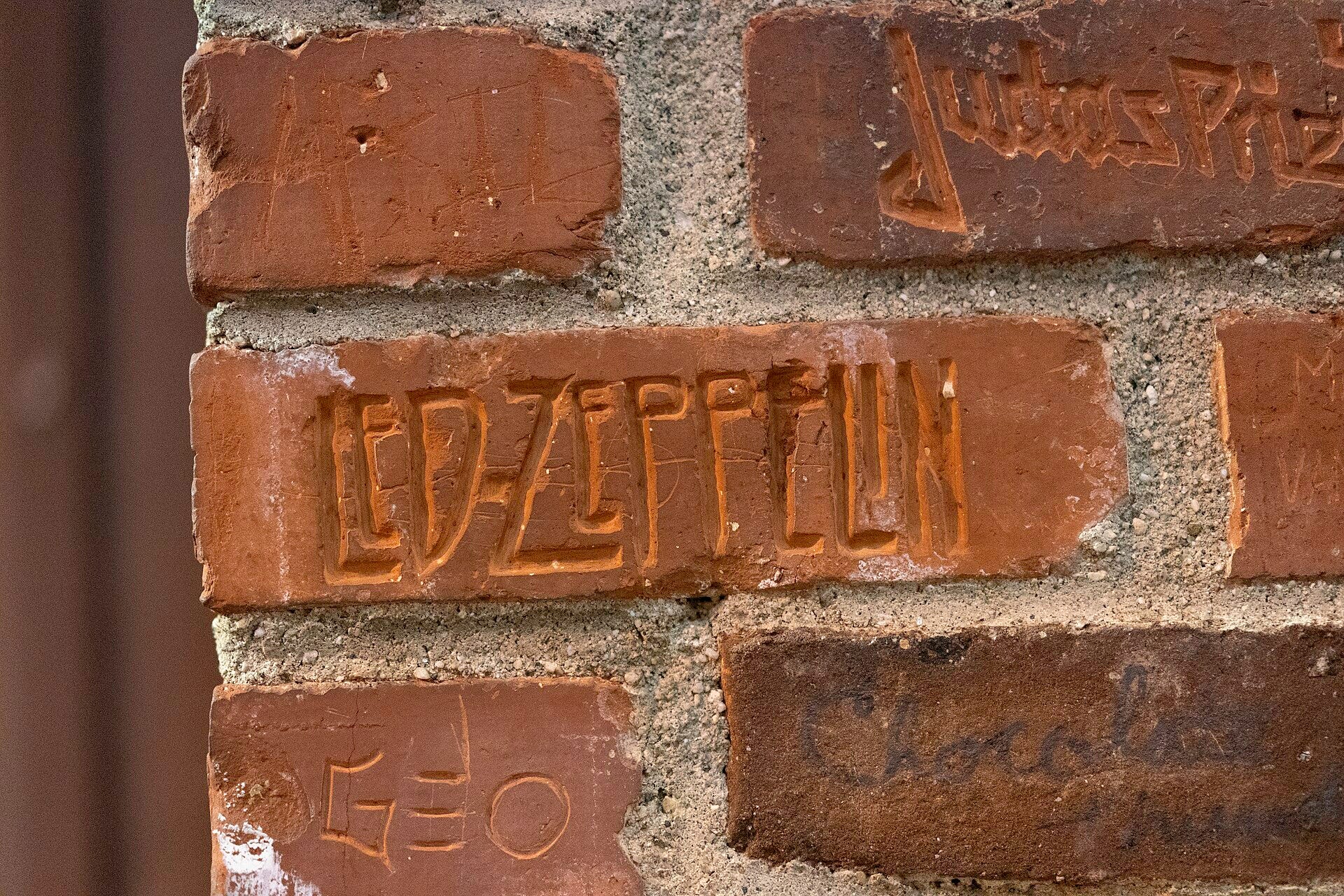
One afternoon Morgana was in the Riot House lobby when a stranger approached and said he had a friend who wanted to meet her. Like many of L.A.’s second-generation groupies, Morgana had her sights set on the men of Led Zeppelin. Los Angeles had been a stronghold for the band since its first tours, and by 1972, after four hugely successful albums, their visits to L.A. were legendary for stunning concerts at the Forum and sheer depravity almost everywhere else. The band was savaged by the elite rock press for its bombast and Robert Plant’s caterwauling vocals, but the little girls of L.A.understood. “That was the ultimate band to try to, uh, y’know, hang out with,” Morgana told me.
In fact, British touring musicians of all stripes were the preferred quarry of the L.A. queens. For wretched working-class Englishmen freed from the British class system, hitting L.A. as a budding rock star could be a life-changing event, made all the more wondrous by a welcoming committee of stunningly beautiful girls who proffered their goodwill and bodies with the barest of preliminaries. “America was epitomized to me by these girls,” Michael Des Barres, a singer and actor who arrived in L.A. from England 1972 with his band Silverhead, told me. “The young girls represented to me the absolute change being in America, which after my whole life of living in this archaic, sort of regimented country where I could have been speaking Latin, I come to America and the sandwiches are this thick and the girls are this thin. They were middle-class girls who made the decision to abandon themselves to the potency of and roll. And that’s what I fell in love with, that sense of newness and existentialism.” Morgana confirmed as much. “There was definitely a mutual thing happening. The California-Girl-blond-hair-suntan was very appealing to them; conversely, the English-dark-hair-never-see-the-sunshine thing was very interesting to us.”
“They were middle-class girls who made the decision to abandon themselves to the potency of and roll.”
No sooner had the stranger at the Riot House made his entreaties than Morgana beheld a vaguely familiar-looking young man with a distinctive glyph dangling from his neck. He was Zeppelin’s bassist, John Paul Jones, and the glyph—three ovals interlocking a circle—was a logo that Zeppelin’s guitarist and taskmaster Jimmy Page had insisted each member of the group adopt in lieu of names on the band’s fourth album, which featured the classic-rock warhorse “Stairway to Heaven.” Morgana recalled that Jones took her hand, led her around a corner, gently pushed her up against a wall, and kissed her. “He said, ‘What can I do to make you happy?’” That his offer was, according to the princely contract, more suitably her line than his was not lost on her. “That was what was so stunning; it was actually reversed. I was thinking: Well, everything’s perfect right now, so what more do I need?”
As the decade wore on, Morgana racked up plenty of notches on her whip: Johnny Winter, Randy California, Alice Cooper. Her days were spent in preparation for her nights, her income from sketchy part-time jobs supplemented by gifts, endless free meals and drinks provided by the men she partied and slept with, a blanket no-cover-charge policy at her regular haunts, and “a rich, normal boyfriend on the side who helped me out.” But the fizzy decadence that she and her girlfriends had helped define as the Strip shook off the earnestness of the ‘60s was fading fast. There was a sense that the new, ever younger girls were lowering the level of discourse by sheer callowness. “I was very serious, very into ‘You’d better take me seriously and not just as some bimbo. My friends and I would try to have some depth about us. It wasn’t just giggles and getting laid.”
By then, Morgana told me, “I was getting very disillusioned with the whole thing. It had gone from being innocent and playful, from people getting together to share common interests and fun and kind of connecting with the world. It became more and more dangerous. Big money was involved, big drug deals were going down, rather than people just exchanging a joint.” Morgana herself scored pot in the parking lot of the Laurel Canyon Country Store and sold amphetamines to friends (she kept the Quaaludes) prescribed by corrupt Hollywood and Beverly Hills physicians in whose waiting rooms one would bump into all the regulars from the Rainbow and Rodney’s. The new harshness of the scene was wearing. “It became people toting guns and having large quantities of money from the big drug deals. And people started dying.”
One night, hitchhiking to the Strip, she was picked up by a man who drove her up into the hills and put a knife to her throat. “Somehow I talked myself out of that one, because he was ready to just slit my throat.” Accepting an invitation from a man at the Riot House to travel to Las Vegas, she was mistaken for a prostitute by the vice cops when she used a house phone at the MGM Grand and was locked up in the county jail overnight. ”The next day I got bailed out by this black guy who I’d never seen in my life who declared I was his now and that I was going to work the Strip for him.” The pimp took her coat and money and left her under the guard of a subordinate for two days until her hysterical crying distracted him sufficiently for her to make her escape back to L.A. She was seventeen. “You had to be tough to a certain degree and I just got tired of having to put on the tough air just for self-protection.”
There was a sense that the new, ever younger girls were lowering the level of discourse by sheer callowness. “I was very serious, very into ‘You’d better take me seriously and not just as some bimbo. My friends and I would try to have some depth about us. It wasn’t just giggles and getting laid.”
Then, just as the record industry and the Strip seemed ready to test the absolute limits of decadence, the punk movement exploded onto the scene and seized the pop-cultural high ground. The Sex Pistols’ 1977 album, Never Mind the Bollocks Here’s the Sex Pistols, was a blistering repudiation of everything a rich, bloated band like Led Zeppelin—and with it, the Riot House-Rainbow scene—represented. Punk was an indictment of the entire rock-star ethos, which had, so the party line went, taken rock down a ruinous path; the punks, by returning rock to its dumbest, rawest essentials, were taking it back. Led Zeppelin never entirely recovered from punk. Though their catalog continued to sell and “Stairway to Heaven” year after year topped the most-requested-songs list, their post-punk albums, while competent and hugely lucrative, never approached the impact of their earlier work, and the band was finished as a modern cultural force. In 1980, Bonham, who personified the band’s excesses, choked to death while sleeping after bingeing on vodka over the course of a band rehearsal and party.
The party was changing on the Strip as well. Rodney’s had closed, and by 1979 the Whisky was booking a heavy rotation of seminal L.A. punk bands like X, the Germs,and Black Flag. The violence that accompanied the shows, culminating in a full-scale riot at a 1979 Black Flag concert at the Whisky, so dispirited Mario Maglieri and Elmer Valentine that they closed the club for two years. Morgana, meanwhile, had married a singer from an L.A.band in 1976 and given birth to a daughter, effectively ending her groupie days. In any event, “the whole rock-and-roll thing was almost at an end. Once punk came in, the lifestyle was very much changed.” She and her husband divorced in 1981, and she briefly flirted with returning to the groupie circuit, but the bands had all changed and the scene was no longer hers to own. “I tried to pick it back up, but it was too difficult as single mom to live that lifestyle. It’s geared to if you have no responsibilities and can just party all night, and when you have a kid, that just isn’t working anymore.” She moved in and out of L.A., and eventually reinvented herself as web graphic designer and consultant.
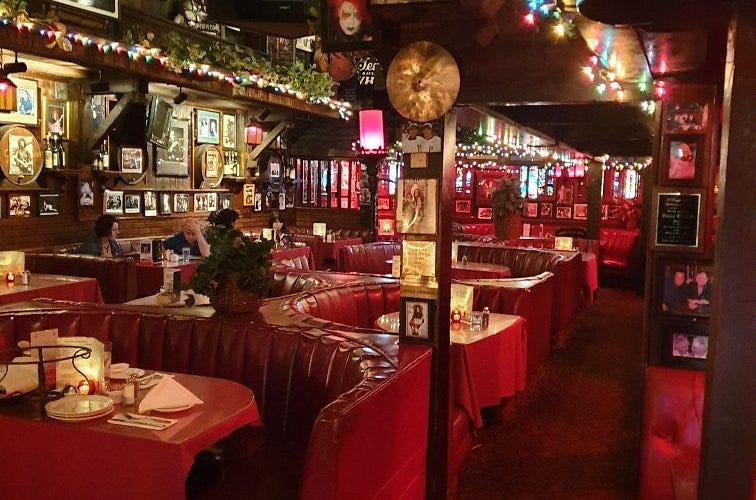
On a cool evening, Morgana returned to the bordello red banquettes at the Rainbow for the first time eighteen years, having organized a reunion of her cohorts from the ‘70s. It was a typical Saturday night at the Rainbow, which is to say it was mobbed with leather jackets and miniskirts and jaw-dropping décolletage. On the front patio, the enticing aroma of garlic mixed with cigarette smoke and impertinent perfume and the roar of motorcycles pulling in off the Strip. Mario Maglieri, white-haired and pushing eighty, watched over the scene in shirtsleeves as his fearsome-looking doormen collected the ten-dollar cover and dispensed rainbow-imprinted drink chits with the solicitousness of ticket takers at Disneyland. That’s how it’s always been at the Rainbow, and part of what has allowed the place to weather every trend since 1972 and seduce successive generations with veal parmigiana and the promise of being treated like stars as they come to the Strip to remake rock and roll in their own images.
Morgana and her friends were shown to a corner banquette on the left side of the dining room’s horse-shoe, where she and Led Zeppelin had barricaded themselves behind bottles of Watneys and Chianti so many nights ago. Of that time and the life she led, Morgana told me, “You know, there was a lot of hurt, there was a lot of vulgarity, and there were often wives or girlfriends who would chase you off, and the guys themselves would be rather crass at times. It was kind of like Babylon, and then it just kind of crashed and turned into something very different. But there was something about the lifestyle, the charisma, and it still lingers in me. It happened to capture me at an early age and it never left. I’m so glad I did it when I was young. I wouldn’t have changed a thing.”
A fascinating scene beautifully recalled thank you
Reading this reminded me of a friend who enjoyed the rock-n-roll circus albeit here on the East Coast. Shortly before she passed of cancer a few years ago I went to sit with her one afternoon. We laughed about the times she spent backstage while I worked out front as a sound tech. At one point I asked her about a fellow she seemed to have an interest in. Had she kept up with him?
"Oh, no, lost track of him years ago."
Any regrets?
"No, I think we both got what we wanted."
As good an elegy as any for those years.